Projects

More than the sum of its parts 

What should infrastructure for hydrogen transportation look like? That is what OGE was investigating together with nine partners as part of the GET H2 TransHyDE project. The Federal Ministry of Research, Technology and Space (BMFTR) also thinks this is a good idea. It has provided funding of more than 11 million euros for the project.

Sustainable Development Goalslearn more
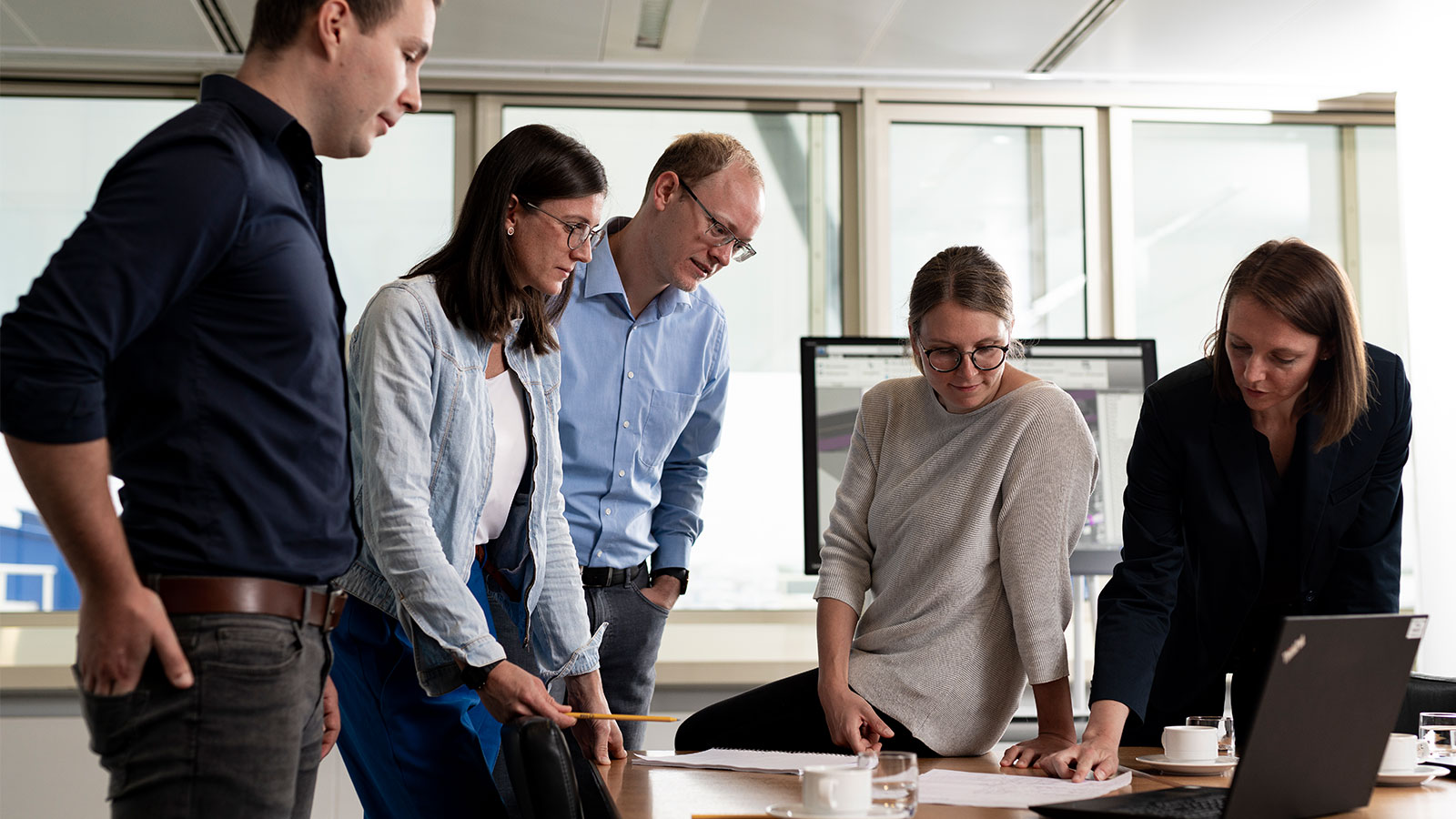
Colleagues in a team meeting

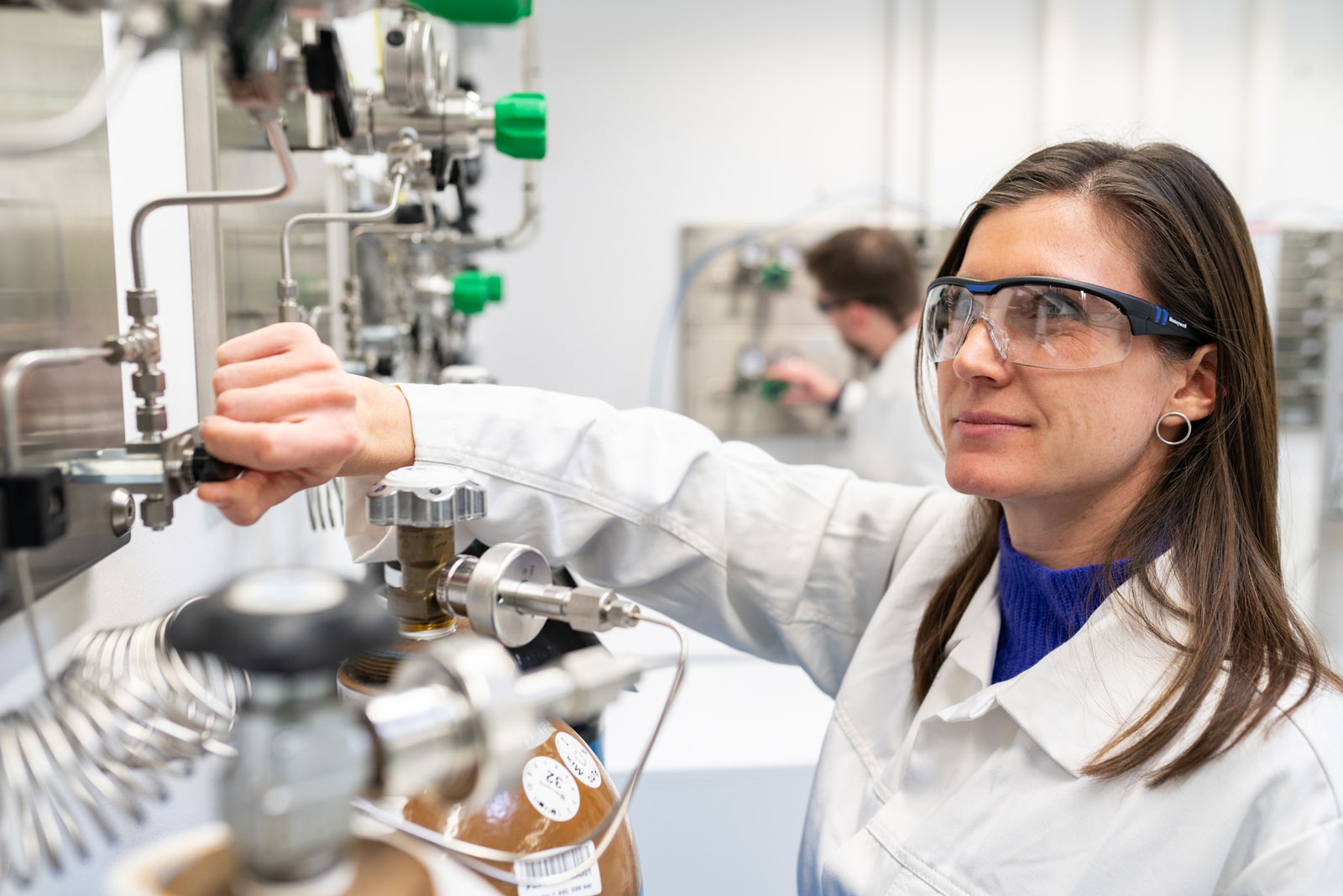
We need hydrogen to decarbonise the energy sector. But what will the infrastructure look like? What are the conditions needed and what will it take to retrofit existing transmission pipelines for hydrogen-only transportation? How can we link up the elements of the entire value chain? How can we successfully combine security of supply and climate neutrality?

RWE, Nowega, Rosen, Evonik, the University of Potsdam, the DVGW, Adlares, Meter-Q Solutions and OGE joined forces to answer these questions and developed practical solutions for hydrogen transportation.

As one of the partners in the GET H2 TransHyDE project, OGE focused on questions surrounding qualitative and quantitative measurement techniques and their approval under calibration law, hydrogen purification and the detection of hydrogen leaks using helicopter-based remote sensing technology. Other topics included the development of a feed-in system housed in a portakabin and creating H2 transmission capacity to optimise the transmission system.

The project included a test and demonstration environment set up and operated around an experimental pipeline in Lingen (Ems) which allows new technologies and methods to be developed and tested for practical use. The project ran from March 2021 to December 2025.

In a nutshell - a quick look at the results

To ensure the quality of hydrogen, suitable measurement methods were identified, developed and successfully tested. In addition to mass spectrometric methods, established methods from natural gas analysis were also adapted for hydrogen analysis. The results were published in the whitepaper ‘Aspects of Gasanalysis’.

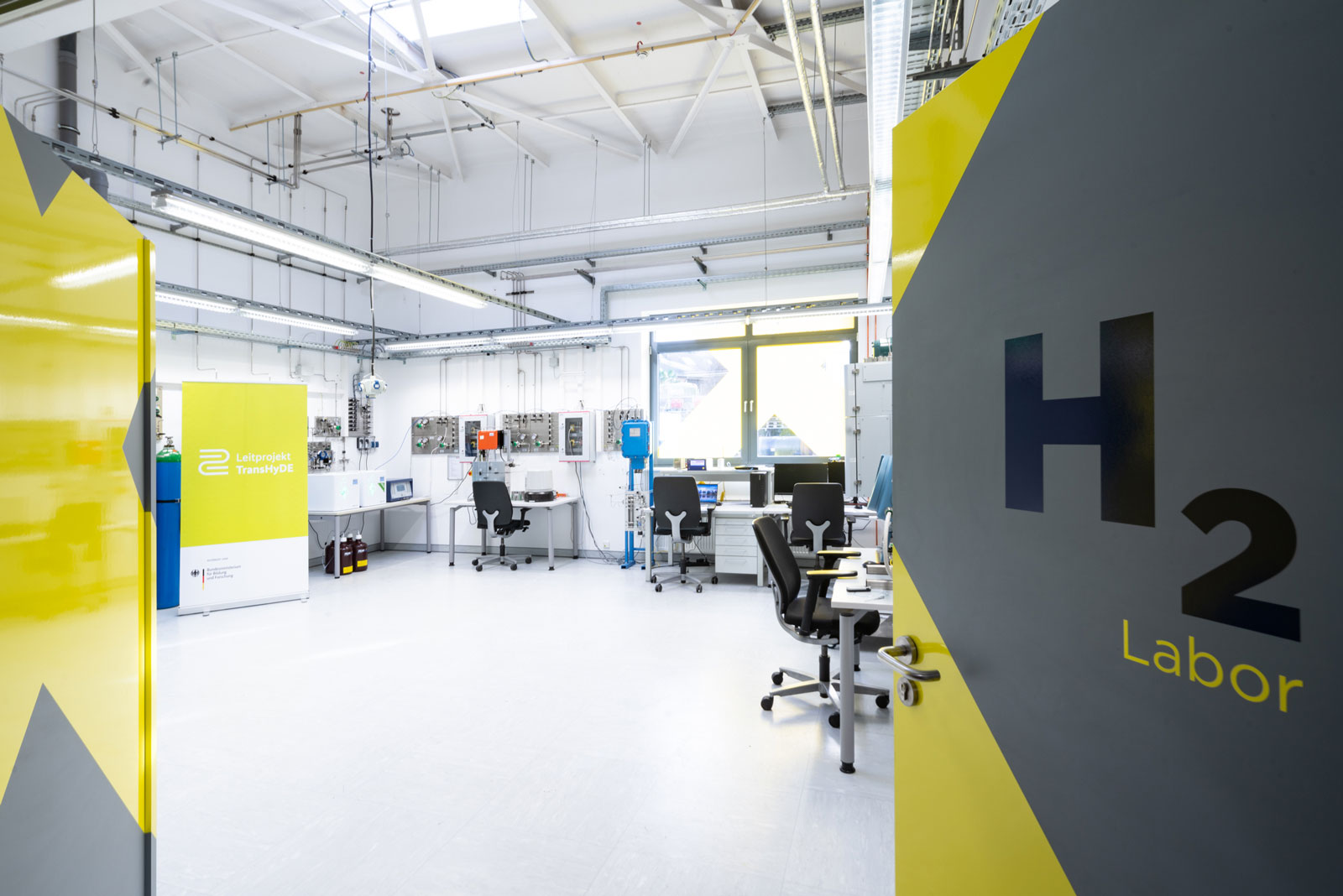
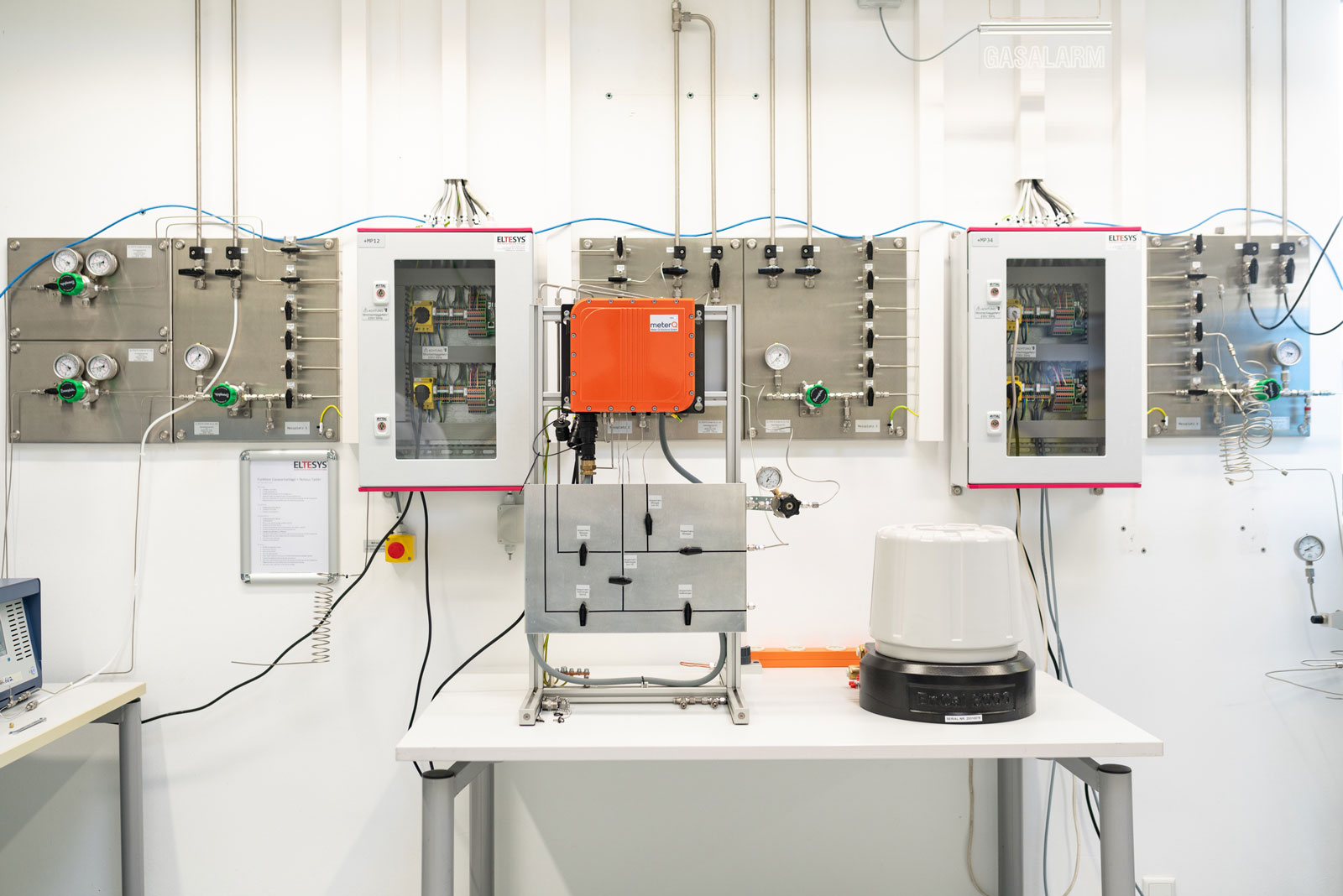
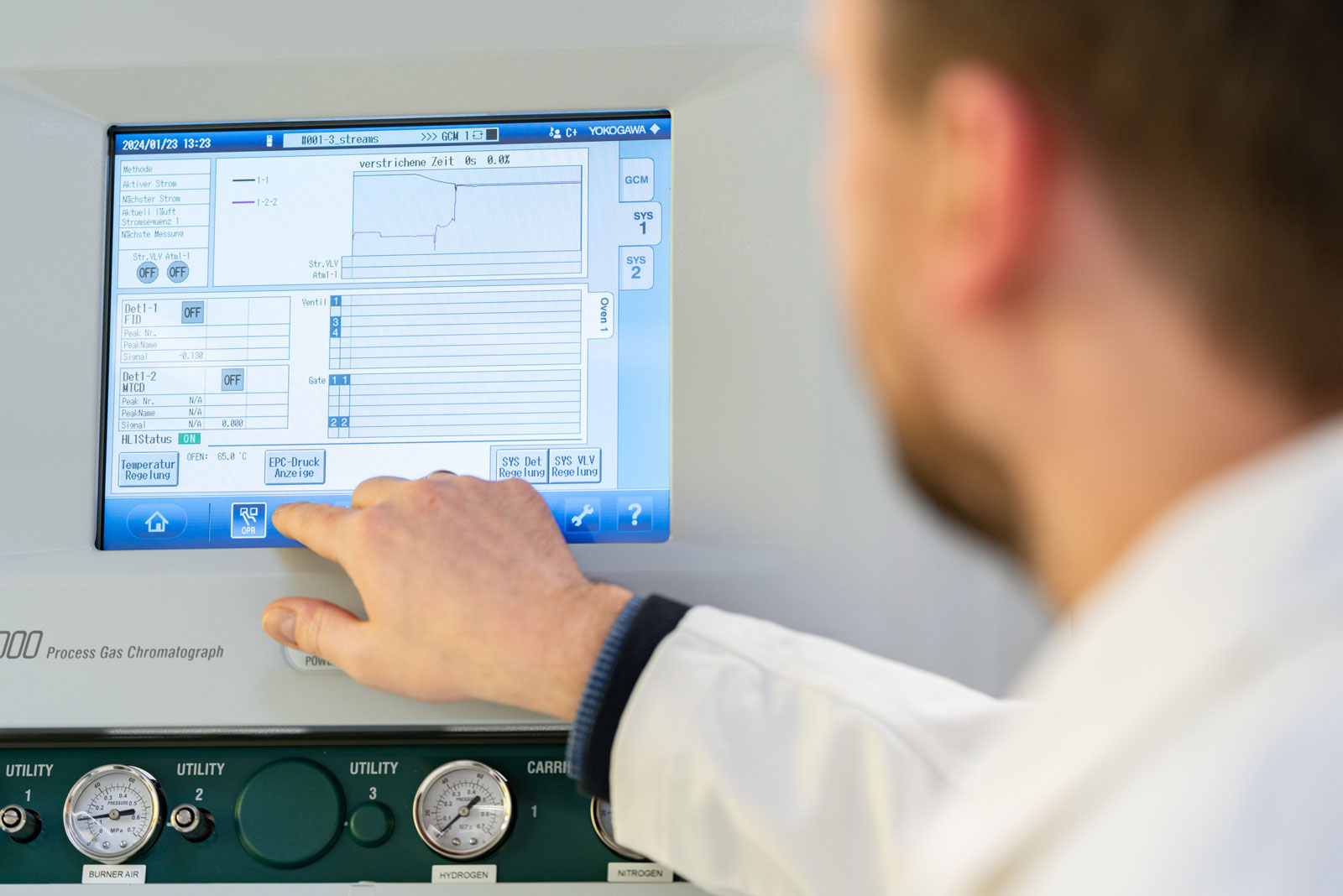
A hydrogen laboratory was established in Essen to develop traceable metering systems for billing purposes. Long-term investigations using process gas chromatographs from various manufacturers were successful. In addition, a reference system for validating flow measurements was developed. The results show that measuring instruments calibrated for natural gas can, in principle, also be used for hydrogen; however, further research is required in the lower measurement range.

A pilot plant has been set up to investigate purification processes, in which hydrogen was tested under realistic transport conditions. The focus was on water, ammonia, oxygen and THT.

In addition, a standardised and modular hydrogen feed system for decentralised electrolysers has been developed. The results show that piston compressors currently represent the most cost-effective solution, whilst electrochemical compressors offer additional potential for the future. For the transport of large quantities of hydrogen, the studies confirm that large pipe diameters are the most cost-effective option. As transport volumes increase, loop pipelines are often more economical than compressors, whilst compressors can offer advantages, particularly in the event of minor capacity bottlenecks. The results were published in the whitepaper ‘Compression and Hydrogen Transport: A Technical and Economic Analysis’

Sponsor’s logo

GET H2 TransHyDE was one of four demonstration projects within the TransHyDE flagship project, which focused on transportation technologies for hydrogen. Together with two other flagship projects, they made up the BMFTR biggest ever funding initiative related to the energy transition and thus provided a decisive impetus for Germany's entry into the hydrogen economy.

Click here for more information:

Others / pdf / 11.46 MB

Final Report on the GETH2 TransHyDE Project

Infrastructural and operational aspects of converting natural gas transmission pipelines to hydrogen operation and the construction of new hydrogen networks. Full version, as at March 2026 (only in …German)

Others / pdf / 4.85 MB

Aspects of gas analysis in the TransHyDE flagship hydrogen project

TransHyDE flagship hydrogen project, August 2025 (in German only)

Others / pdf / 1.83 MB

Compression and hydrogen transport: A technical and economic analysis

TransHyDE Hydrogen Flagship Project, 05/2025

Press releases / pdf / 64.91 KB

OGE puts its TransHyDE H2 laboratory – which is unique in Germany – into operation

Within the span of two years, OGE has planned, built and commissioned its innovative TransHyDE H2 laboratory in Essen. The TransHyDE project is one of three flagship hydrogen projects funded by the …German Ministry of Education and Research.